How to Start Using tk999 From First Click to First Login
By the end of this piece, you will have a working tk999 account, a downloaded app on your phone, and a clear picture of what the platform actually does compared with the other options a Bangladeshi user might consider. That is the result. Everything below is the route to it, written as a sequence of questions an analyst would ask while comparing the alternatives side by side.
The first question is the obvious one: what is tk999? It is an online betting and gaming platform aimed at users in Bangladesh. It offers account registration and a downloadable mobile app, and it describes itself as a trusted online betting platform. That is the factual starting point. It is not a physical casino with live dealers, and it is not a ticket or token system. The name is simply the brand.
What actually happens from the first click to a working account?
The sequence matters more than the marketing language, because a platform is only as good as the steps it asks you to complete before you can use it. So let me walk through the order of operations the way I would if I were testing it against competing platforms.
The first action is opening the site. You land on the homepage, and the two things that should be immediately visible are a registration entry point and a way to get the app. If either is buried, that is a warning sign. On tk999, both are surfaced as primary actions, which is the correct design choice for a mobile-first audience.
The second action is registration. You provide the details the platform requires, you confirm your account, and you now have a login. This is the step where most platforms lose people, not because registration is hard, but because it is unclear what happens next. A good platform tells you what to expect after you submit. The useful mental model is that registration is not the finish line; it is the door.
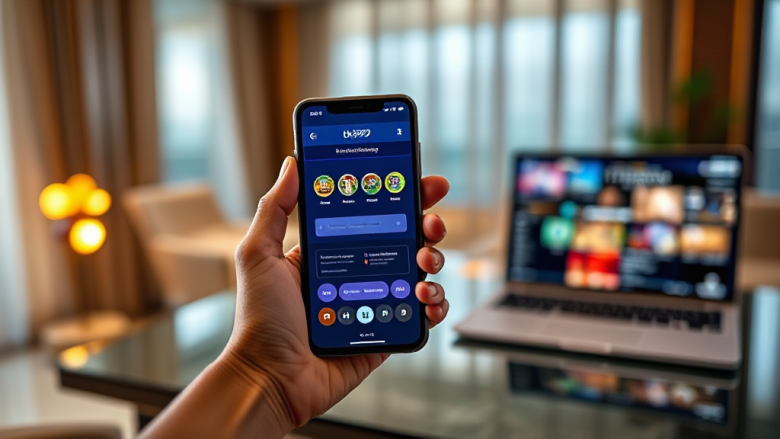
The third action is downloading the app. This is where the experience changes character. A browser-based platform is fine for occasional use, but a betting platform that expects repeat visits needs to live on the home screen. The app is the difference between a website you remember and a tool you actually use. If you are comparing alternatives, ask yourself which one you would open twice a week without thinking about it.
The fourth action is your first login on the app. Once you are in, the interface should tell you what is available without making you hunt. That is the end state: account created, app installed, logged in, and oriented.
How does tk999 compare with the alternatives a Bangladeshi user would consider?
This is the question that separates a useful review from a brochure. There are three realistic alternatives a user in Bangladesh weighs against a platform like tk999: using a desktop-only site, using an international platform that does not localise for the region, and using a general-purpose app that is not built for betting at all.
The desktop-only alternative loses on convenience. If you are commuting, waiting, or away from a computer, a desktop site is a dead end. The mobile app wins this comparison by default, not by brilliance.
The international platform alternative loses on fit. A platform that does not orient itself toward Bangladeshi users tends to have payment flows, language, and support hours that do not match how people in the region actually use the internet. Localisation is not decoration; it is the difference between a platform that works for you and one that works for someone else.
The general-purpose app alternative loses on purpose. A messaging app or a browser bookmark is not designed for the task. It will not surface the information you need at the moment you need it. A dedicated app is better at being a dedicated app.
Where tk999 sits in that comparison is straightforward: it is the option that combines a dedicated app with a regional focus. That is the honest summary. It is not a claim that it is the only choice, and it is not a claim that it is flawless. It is a claim that the combination of app plus regional orientation is the combination that matters, and tk999 is built around it.
One more comparison deserves attention: the difference between a platform you can evaluate quickly and one that hides its terms. The faster you can see what a platform offers, the faster you can decide whether it is for you. Registration and app download are the two fastest signals, and they are the two signals tk999 puts in front of you first.
What should you check before you commit to any platform, including this one?
This is the part most guides skip, and it is the part that saves people time. Before you commit to any platform, run a short checklist. The checklist is not about the brand; it is about your own expectations.
First, check whether the platform is clear about what it is. A platform that describes itself plainly, as tk999 does, is easier to evaluate than one that uses vague language. Clarity is a feature.
Second, check whether the app is actually available and installable on the device you use. An app you cannot install is not an app. This sounds trivial until you have spent twenty minutes on a download that never completes.
Third, check whether registration asks for a reasonable amount of information. If a platform asks for far more than it needs before you can even look around, that is a signal about how it treats users.
Fourth, check whether the platform is oriented toward your region. For a Bangladeshi user, this means the platform should feel like it was built with you in mind, not adapted as an afterthought.
Fifth, check your own habits. The best platform for you is the one that fits how you actually use your phone. If you check your phone in short bursts throughout the day, a mobile app is the right shape. If you only ever sit at a desk, a desktop site might be enough. Be honest about this, because the platform cannot be honest for you.
Run that checklist against tk999 and against at least one alternative. The comparison is the point. A platform that survives a comparison is worth more than a platform that only survives a pitch.
What does the first week of use actually look like?
The first week is where a platform either becomes part of your routine or falls out of it. Here is what the realistic pattern looks like, and what to watch for at each stage.
Day one is setup. You register, you download the app, you log in. The goal is not to do anything ambitious; the goal is to confirm the plumbing works. If registration and login are smooth, the foundation is solid.
Day two is orientation. You open the app and look around without a specific goal. You are learning where things are. A well-designed app makes this stage short. A poorly designed app makes it feel like work.
Day three is the first real use. You do the thing you came to do, whether that is checking a market, browsing a game, or simply confirming that the app behaves the way you expect. This is the moment where the platform either matches its promise or does not.
Days four through seven are the routine test. Do you open the app without being reminded? If yes, the platform has earned a place on your home screen. If no, ask why. Sometimes the answer is that you were not that interested in the first place, which is useful information. Sometimes the answer is that the app made something harder than it needed to be, which is also useful information.
By the end of the week, you should be able to answer one question honestly: is this the platform I would recommend to a friend in the same situation? If the answer is yes, you have your result. If the answer is no, you have saved yourself from a longer commitment, which is also a result.
The important thing is that the first week is a test, not a subscription. You are evaluating, not marrying. Treat it that way and you will make a better decision than someone who signs up on impulse and never revisits the choice.
One practical note for the first week: keep your login details somewhere you can find them. The most common failure in week one is not a platform failure; it is a user who cannot get back in because they did not record what they set up. Fix that on day one and the rest of the week is easier.
প্রশ্ন ও উত্তর
Is tk999 a physical casino?
No. It is an online betting and gaming platform. There are no live dealers in a physical venue. Everything happens through the website and the mobile app, which is why the app download is one of the two primary actions the platform puts in front of new users.
Do I need to download the app, or can I use the website only?
You can start with the website, but the app is the better long-term shape for a mobile-first user. The website is useful for a quick look. The app is what makes the platform part of a routine. If you are comparing alternatives, the app is usually the deciding factor.
How long does registration take?
Registration itself is a short process; the time is measured in minutes, not hours. The variable is not the platform but your own readiness: having your details to hand and a stable connection. Do those two things and the step is quick.
What should I compare tk999 against?
Compare it against at least one desktop-only site, one international platform that does not localise for Bangladesh, and one general-purpose app that is not built for betting. Those three comparisons will tell you more than any single review, including this one.
What is the single most important thing to check before signing up anywhere?
Whether the platform is clear about what it is. A platform that describes itself plainly is easier to evaluate, and evaluation is the whole point. Clarity is the first signal, and it is the one that saves the most time.
That is the full route: open the site, register, download the app, log in, orient yourself, and then run the first-week test. The result you were promised at the start is a working account and a clear comparison. If you follow the sequence and run the checklist honestly, you will have both, and you will have them faster than someone who skipped straight to signing up without asking what they were signing up for.